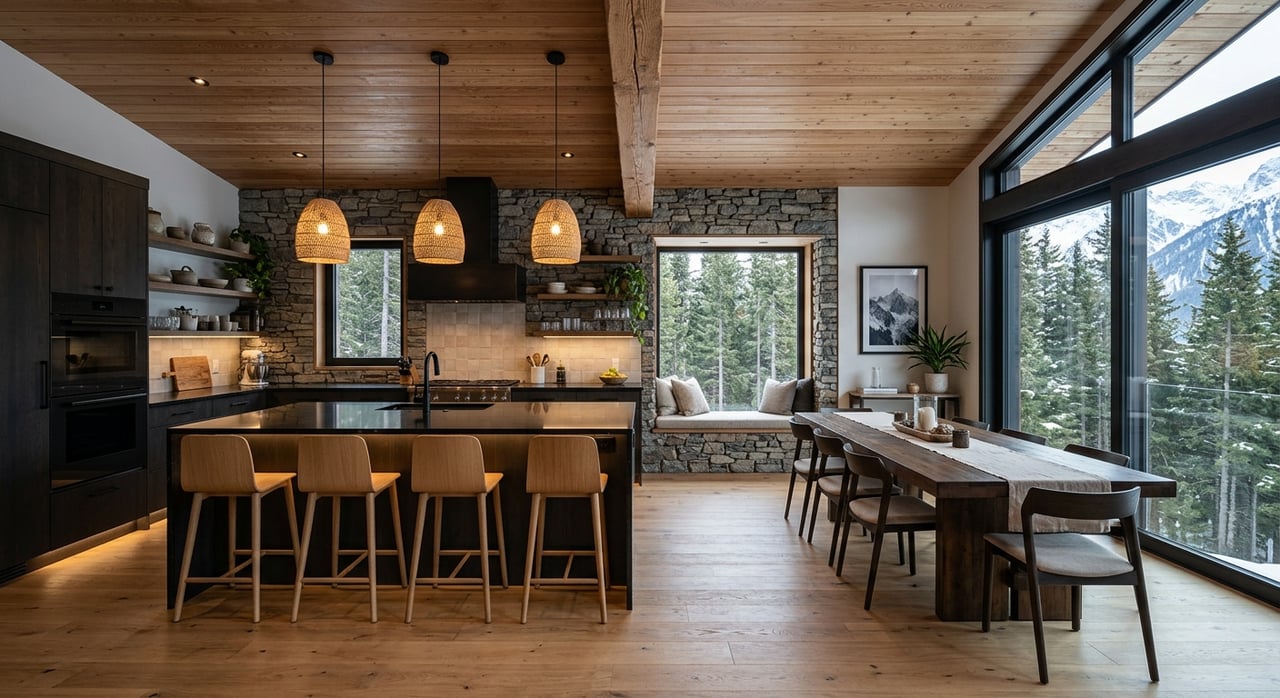
Turning Your Basalt Townhome Into A Turnkey Seasonal Rental
April 23, 2026
April 23, 2026
If you want your Basalt townhome to stand out as a seasonal rental, simply adding furniture is not enough. In a market shaped by year-round visitors, mountain travel, and high guest expectations, your property needs to feel ready from the moment someone arrives. With the right setup, you can create a smoother guest experience, protect your asset, and make more informed decisions about rental strategy. Let’s dive in.
In Basalt, turnkey should mean more than furnished. It should mean hospitality-ready, with the home staged, stocked, connected, and supported so a guest can settle in immediately.
That matters in a town with strong seasonal visitation and a recreation-driven guest base. According to the Basalt Police Department, the town sees a daily transit population of more than 40,000 people during the winter and summer months. Colorado tourism also highlights Basalt’s location between Glenwood Springs and Aspen, along with access to hiking, biking, cross-country skiing, rivers, trails, shopping, and dining.
For seasonal guests, convenience often shapes the stay. Clear arrival instructions, reliable Wi-Fi, practical storage, easy parking, and straightforward home guidance can make a meaningful difference.
Before you invest in furnishings and guest services, confirm what kind of rental you are actually planning to offer. In Basalt, that distinction matters.
The town defines a short-term rental as a rental of rooms or dwelling units for fewer than 30 consecutive days. Under the town’s short-term rental business license rules and ordinance, that type of rental requires specific licensing and compliance.
A season-long furnished lease may fall into a different category. So if your goal is a multi-month winter or summer rental, you should not assume it is regulated the same way as a short-term stay.
Not every Basalt townhome is automatically a fit for seasonal rental use. Before moving forward, you need to confirm several property-specific details.
Start with jurisdiction. Basalt spans both Eagle and Pitkin counties, so exact location matters when you evaluate your property and its governing requirements. The town’s community information makes clear that Basalt has a two-county geography.
Next, review your homeowners association documents and any site-specific approvals. Basalt’s ordinance states that HOAs or land use approvals may be more restrictive than town code, which means your association rules may control whether seasonal or short-term renting is realistic at all. You can verify these points through the town’s short-term rental ordinance materials.
For townhomes, this step is especially important. Shared-wall living, common parking areas, and association-managed spaces often create added operational rules that affect rental use.
If your intended rental use falls under Basalt’s short-term rental definition, the town’s current rules should guide your planning from day one.
Under the town’s business license and ordinance documents, a short-term rental business license is required before advertising or renting. The license is annually renewable, address-specific, and non-transferable.
The town also requires a local owner or local representative in the Roaring Fork Valley to manage the rental and be on call. In addition, the building official must inspect the unit for occupancy safety and smoke and carbon monoxide detectors before issuance and again at renewal.
Advertising compliance matters too. The license number must appear in advertising, and the ordinance prohibits outdoor amplified music after 10:00 p.m. Repeated substantiated complaints can lead to revocation.
For multi-family dwelling units, the ordinance states they may be rented short-term only to a single party or entity at one time. For a townhome owner, that is an important operational detail.
Once the legal and association framework is clear, the next step is preparing the home as a complete guest experience. In Basalt, that usually means thinking beyond décor and focusing on ease of use.
A strong turnkey package often includes:
This approach aligns with both market expectations and Basalt’s emphasis on local responsiveness. A home that is available but not truly prepared can create avoidable friction for both owner and guest.
Townhomes require a little more operational discipline than some detached properties. Because guests are sharing walls and often using common access points, small details become more important.
Start with noise guidance. Basalt’s rules prohibit outdoor amplified sound after 10:00 p.m., and complaint-driven enforcement can affect your license status, according to the town’s ordinance materials. Clear guest expectations should be part of your setup from the beginning.
Parking is another priority. Seasonal guests should know exactly where to park, whether visitor parking is available, and what to expect during high-traffic periods.
Trash handling also deserves attention. In a mountain market with busy visitor seasons, easy-to-follow instructions help reduce guest confusion and support a smoother experience for neighbors and the association.
Seasonal guests often choose Basalt for convenience as much as scenery. The easier you make arrival and first-day use, the more turnkey your home will feel.
Your guest package should answer practical questions before they become problems. That can include how to access the home, where to place gear, how to use internet and TV systems, what to know about parking, and who to contact if something needs attention.
In a market where visitors may be arriving for skiing, trail access, river activities, or a longer lifestyle stay, a polished arrival plan supports both comfort and confidence. Basalt’s year-round activity mix, highlighted by Colorado tourism, makes that readiness especially relevant.
A local support structure is not just a service upgrade in Basalt. It is central to compliance and to guest satisfaction.
The town requires a local owner or representative in the Roaring Fork Valley to manage the rental and be on call, as outlined in the short-term rental ordinance. That means owners should think early about who will respond to guest needs, maintenance issues, and time-sensitive questions.
Professional coordination can also help bring consistency to cleaning, communication, and turnover readiness. For owners who do not live nearby, that local presence can be one of the most important parts of making a townhome truly turnkey.
Owners often focus first on interiors, but successful seasonal rentals depend on operations as much as appearance. A beautifully furnished townhome may still underperform if it lacks clear systems.
Ask whether your property feels easy to use for someone who has never been there before. The best turnkey homes reduce guesswork, communicate clearly, and support a calm, well-managed stay.
In Basalt, where visitor demand is tied to outdoor recreation, downtown access, and seasonal travel rhythms, readiness is part of the value. A home that feels complete can better support both owner goals and guest expectations.
Turning your Basalt townhome into a turnkey seasonal rental starts with the right sequence. First, confirm the legal structure, location, and HOA rules. Then build a guest-ready experience that reflects how people actually use the home in a busy mountain market.
That process can help you avoid costly missteps and position the property more effectively from the start. If you are evaluating whether your townhome is a fit for furnished seasonal rental strategy in Basalt, Tara Slidell offers a discreet, hospitality-led approach grounded in local market knowledge.
Stay up to date on the latest real estate trends.
When Tara is not taking care of her clients and putting together deals, she is enjoying Aspen’s great outdoors with her husband and their two daughters, and their dog, Mack.