Aspen Home Seasonal Rental Design for Luxury Stays
February 19, 2026
February 19, 2026
Picture your Aspen home booked for peak winter weeks, then again for blue‑sky summer, with guests raving about the experience. In a market where top properties command premium rates, design and operations can make the difference between a good seasonal rental and a great one. This guide shows you how to set up your property for luxury guests while keeping it comfortable for your own stays. You will learn the permit essentials, high‑impact design moves, and management practices that perform in Aspen. Let’s dive in.
Before you choose finishes or shop for a hot tub, confirm how you can legally rent. In the City of Aspen, any rental under 30 days requires a Short‑Term Rental permit. The city outlines permit types, display rules for permit and business license numbers, occupancy formulas that often read two people per bedroom plus two, and the need for an on‑call owner or representative. Review the latest requirements on the City’s Short‑Term Rental page to avoid surprises (City of Aspen STR guidance).
If your home sits in unincorporated Pitkin County, a tiered licensing program typically caps annual rental nights, sets a four‑night minimum stay, and asks for items like a parking plan and safety gear. Many properties outside city limits are best positioned for seasonal rather than constant short stays. Read a summary of the county program’s practical limits and documentation needs (Pitkin County STR overview).
Plan for renewals and timing. Aspen has defined renewal windows, and recent cycles have included firm expiration dates with follow‑up deadlines and tighter enforcement of tax filings. Always verify current dates and requirements before listing (recent renewal notice example).
What this means for design and operations: display your permit and business numbers inside the home, assign a local qualified contact for emergencies, and include design features that reduce nuisance complaints. Sound isolation, screened hot tub placement, clear parking and trash instructions, and easy‑to‑read house rules help protect your permit and your reputation (City program details).
Aspen is a high‑ADR, event‑driven market. A recent AirDNA snapshot reported annual occupancy near the low‑50 percent range with an average daily rate around $2,000, reflecting a small, luxury‑weighted supply. Numbers shift, so recheck snapshots for your specific property (Aspen STR market snapshot).
Expect two clear peaks. Holiday and January ski weeks, Presidents’ Week, X Games or World Cup periods when applicable, and late‑summer festivals capture outsize demand. Local reporting underscores strong January and event‑driven surges that lift rates and occupancy (January tourism context).
Design for both seasons. A home that reads like a polished ski chalet in winter and an outdoor‑ready retreat in summer will reach more guests and perform across the calendar. Practical systems that work in all weather often beat purely decorative upgrades (market implications).
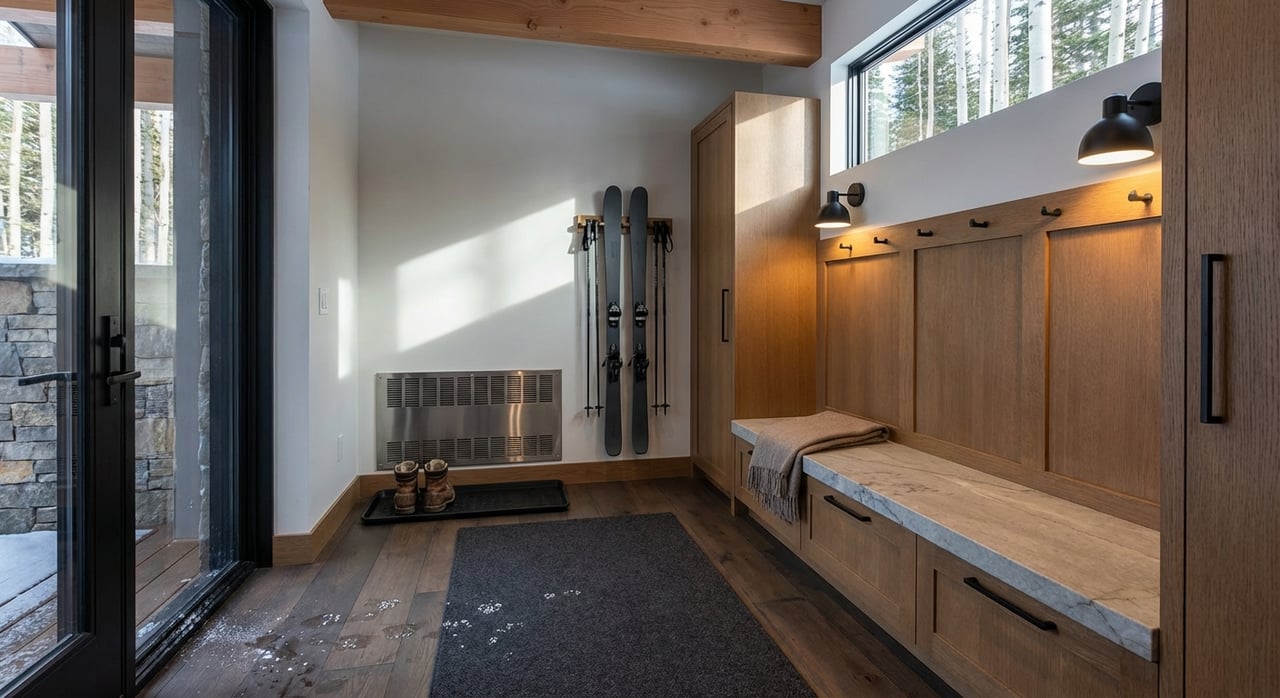
Start with a mudroom built for snow and summer dust. Heated boot racks or ventilated shelving, benches, hooks, helmet storage, and a rinse sink or cleaning area protect finishes and speed turnovers. A dedicated drying closet reduces damage from wet gear and keeps housekeepers on schedule. These hospitality basics consistently improve reviews in mountain rentals (luxury traveler must‑haves).
If possible, create a discreet service entry for cleaners and vendors. Local rules expect fast local response, so give staff direct access and on‑site storage for supplies. A concise in‑home guide with emergency contacts and permit info supports both compliance and guest confidence (City of Aspen STR guidance).
En‑suite baths raise perceived luxury and help groups spread out. Plan at least one generous primary suite, plus an owner‑lock closet to secure personal items. If you expect mixed owner and rental use, consider a lock‑off suite or a flexible partition that lets you close private quarters and rent the rest. Different permit types and night caps can make this flexibility valuable for both use and compliance (permit framework).
Most luxury Aspen stays involve families or several couples. An open great room with clear sight lines to dining and kitchen keeps gatherings easy, while small nooks like a reading alcove or lounge give guests quieter choices. In the kitchen, lean into group cooking with a large island, double ovens, ample refrigeration, and a real pantry. Managers and marketing guides call out well‑equipped kitchens and group seating as booking drivers in the luxury tier (marketing insights).
Four‑season outdoor zones extend the calendar and the experience. Think covered and heated dining patios, a hot tub with privacy screening, and durable lounge furniture that can handle snow and sun. Many professional managers cite hot tubs as a top amenity with clear revenue upside when well located and maintained. Confirm siting and noise guidance to keep neighbors comfortable (hot tub and amenity guidance).
Invest in professional photography, a clean floor plan, and a short video tour. These assets signal quality, boost click‑through, and support premium rates in luxury markets. Upgrade mattresses and linens, and offer a small range of pillow types. Reliable high‑bandwidth internet and a defined workspace also widen your audience beyond pure holiday travelers (luxury listing essentials).
Wellness ranks high for affluent travelers. Private hot tubs, saunas, steam showers, and spa‑grade towels meaningfully lift perceived value, and many properties see tangible ADR or occupancy gains when these features are well maintained. In the kitchen, professional ranges, built‑in espresso systems, and a wine fridge support private‑chef bookings and smooth group meals. Curated in‑home experiences, from massage to guided activities, can further set your listing apart (wellness demand data).
Choose stone, wood, and performance textiles that age well under snow gear and frequent cleaning. Slipcoverable sofas, wool‑blend rugs, leather or high‑performance fabrics, and commercial‑grade hardware deliver a polished look that stands up to turnover. Hospitality‑minded durability keeps your presentation consistent and costs in check over time (durable design practices).
Polished visuals and copy convert browsers into booked guests. Pair professional photos with a concise, SEO‑aware description, a clear floor plan, and a short video or virtual tour. Distribute across leading marketplaces with care, and consider luxury channels such as Airbnb Luxe or travel‑advisor networks for qualified reach (Airbnb Luxe overview).
Full‑service managers promote listings, provide photo assets and 3D tours, run dynamic pricing, offer 24/7 guest support, and coordinate cleaning, maintenance, and compliance. Many managers report measurable revenue uplift after onboarding, although gains vary by property and market. A local manager can also serve as the required on‑call representative, help with permit rules and tax remittance, and streamline neighbor communications (management benefits).
Use dynamic pricing that tracks lift operations, festivals, and holiday demand. Set minimum stays around peak weeks to reduce turnover during busy periods, then ease restrictions in shoulder seasons to capture additional nights. Calendar control paired with real‑time demand sensing helps you protect premium dates without over‑discounting off‑peak windows (pricing tools in practice).
Luxury bookings expect hotel‑level cleanliness and reliability. Set a standard checklist for turnovers, invest in professional laundry or linen services, and schedule routine maintenance for hot tubs, roofs, driveways, and HVAC. Proper staffing in peak weeks protects your reviews and your asset value (operations guidance).
Short‑term rental insurance is different from a standard homeowners policy. Work with providers or managers who offer damage waivers and confirm that property, liability, and guest injury are covered for STR use. Align deposits and screening with your amenity mix and guest profile to protect high‑value finishes and equipment (program overviews).
Many Aspen owners must secure HOA confirmation as part of permit renewals. Clear house rules, quiet hours, parking maps, and trash instructions reduce nuisance calls and protect your license. Local reporting highlights the city’s focus on tracking complaints and refining rules, so good neighbor practices are both smart and necessary (STR program oversight context).
If you plan to enjoy the home between bookings, design with privacy and convenience in mind. Create a dedicated owner closet or storage room with a lock. A lock‑off suite, private parking stall, and an easy way to hold owner dates in your calendar let you switch between personal use and rental without friction (permit and use considerations).
Ready to position your Aspen property for premium seasonal bookings while keeping owner time effortless? Let’s create a design and operations plan that fits your goals and the local rules. Schedule a consultation with Tara Slidell to discuss valuation, design‑for‑rental upgrades, and a tailored launch strategy.
Stay up to date on the latest real estate trends.
When Tara is not taking care of her clients and putting together deals, she is enjoying Aspen’s great outdoors with her husband and their two daughters, and their dog, Mack.