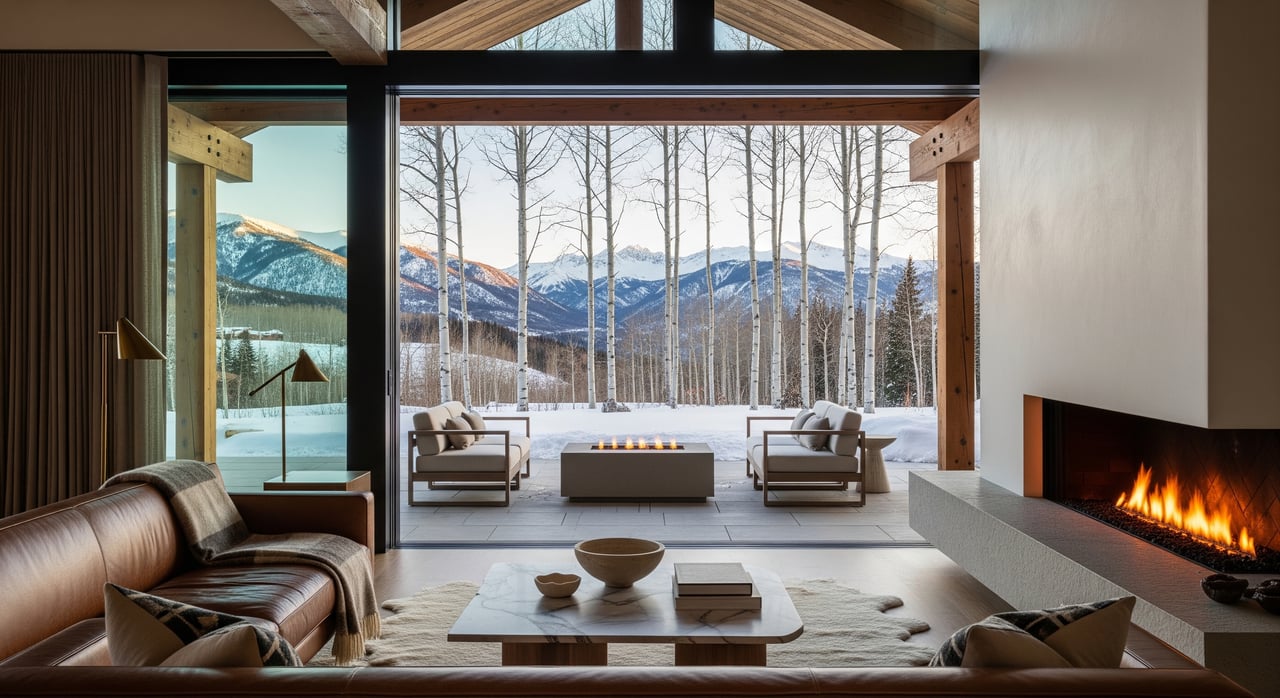
Inside the Aspen Second Home Lifestyle Year-Round
February 5, 2026
February 5, 2026
Snow overnight, first tracks by 9, gallery strolls and dinner reservations by 7. If you picture a second home in Aspen, you probably see peak powder days and summer concerts, but you may not see the logistics that make it effortless. You want a place that elevates your lifestyle without demanding all your time. In this guide, you’ll learn how the seasons flow, what to expect day to day, the real costs and rules, and how owners structure time and services to keep everything seamless. Let’s dive in.
Winter is the primary peak, typically late November through March. The town is busiest around the holidays, Presidents’ Week, and spring break. Your days often center on the four mountains that make up Aspen Snowmass, with lift access, lessons, and ski valet shaping your routine.
Expect longer restaurant and shop hours, busy après scenes, and reliable resort operations. Many owners plan for snow removal, heated driveways, and regular utility checks during cold snaps. You will want a plan for driveway plowing and access during storms.
June through August is the second major peak. Owners often stay for multi‑week blocks, mixing hiking, biking, and river time with a full cultural calendar. Festival weeks tend to fill reservations quickly and can create short surges in dining and lodging demand.
Daily life feels lighter, with early trail starts and late dinners on patios. Grocery runs and dining plans are easier if you book ahead during July.
Spring and fall are quieter. Some restaurants reduce hours, and the pace slows. Many owners use April–May and late September–October for maintenance, design updates, or extended personal stays with more room to breathe.
Your winter rhythm often follows lift schedules and snow reports. The four‑mountain network at Aspen Snowmass supports seamless skiing, lessons, rental services, and on‑mountain dining. In summer, trailheads, rivers, and alpine lakes become your everyday playground.
Aspen blends refined dining with casual spots and everyday grocery options. During peak weeks, reservations and grocery delivery windows go fast. The event calendar, highlighted by music, food and wine, and ideas programs, drives short periods of high demand. You can scan schedules and plan ahead with the Aspen Chamber & Visitors Bureau.
Most second‑home owners use local property managers. These teams handle housekeeping, guest turnover, snow removal, maintenance, and utility monitoring. In winter, they coordinate plowing, roof and deck snow loads, and freeze protection. In summer, they manage landscaping, irrigation, and systems checks.
If you plan to rent your home when you are away, understand local licensing and tax requirements.
A qualified property manager or local attorney can help you align your rental strategy with current rules before you buy.
The Aspen/Pitkin County Airport supports seasonal commercial service and significant private aviation, which makes frequent stays practical. Winter weather can affect road travel on Highway 82, so plan arrival windows around storm patterns when possible. Keep a contingency plan in place during heavy snow events.
For stress‑free arrivals, many owners schedule pre‑arrival inspections, temperature resets, and grocery delivery through their management team. If you plan for guests, coordinate access instructions and parking in advance.
Aspen blends year‑round residents, seasonal owners, and visitors. Community conversations often center on workforce housing, traffic, and conservation, and they inform local regulations. Luxury resort markets also move in cycles, influenced by interest rates and global wealth trends. Scarcity and reputation support long‑term demand, but individual transaction timelines can vary.
For the latest sales trends, median prices, and inventory, consult the Aspen Board of REALTORS® market reports and your advisor before you make timing decisions.
Many second‑home owners build a simple, repeatable calendar:
Use this quick list to pressure‑test your plan:
A second home in Aspen should feel effortless. With the right plan, you enjoy world‑class skiing and summers, and your home stays guest‑ready, safe, and compliant. A local, hospitality‑led advisor can coordinate showings, evaluate HOA and STR factors, and build an ownership plan that fits your lifestyle.
For discreet guidance on purchases and premium furnished rentals, connect with Tara Slidell. Schedule a Consultation.
Stay up to date on the latest real estate trends.
When Tara is not taking care of her clients and putting together deals, she is enjoying Aspen’s great outdoors with her husband and their two daughters, and their dog, Mack.