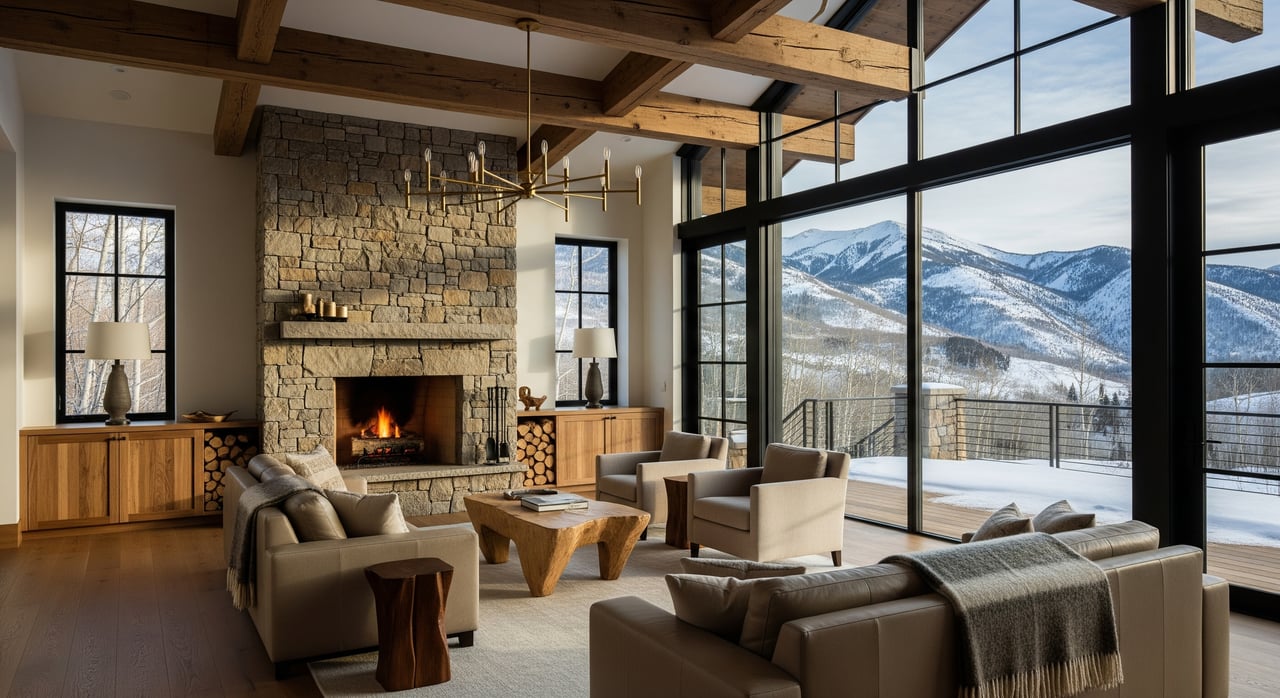
Aspen Fractional Ownership Explained for Future Owners
November 21, 2025
November 21, 2025
Thinking about enjoying Aspen a few prime weeks a year without buying a full residence? Fractional ownership and residence clubs might be the fit you are looking for. You get access to luxury properties, hotel-grade services, and a predictable calendar at a fraction of the cost of whole ownership. This guide explains how fractional programs work in Aspen, what to expect with fees and taxes, how reservations and rentals operate, and what to review before you buy. Let’s dive in.
Fractional ownership lets several owners share a high-value home or condo. You purchase a portion of an interest that gives you scheduled use plus a share of ownership rights defined by the governing documents. Many Aspen offerings are residence clubs with hotel affiliations, full-service teams, and managed reservation systems.
If you are new to the space, it helps to read industry primers. You can review industry standards on interval ownership from the American Resort Development Association.
Aspen residence clubs typically offer 1/4, 1/8, 1/12, or 1/26 shares. These translate to a set number of weeks or points each year. Clubs use several allocation models:
Holiday and ski periods are in high demand. Priority for those weeks is managed through detailed reservation rules that you should review in the governing documents.
Hotel-branded developers and managers run many fractional programs in Aspen. You can expect a staffed front desk, housekeeping, maintenance, concierge, and, in some cases, a managed rental program.
Managers prepare an annual budget, collect maintenance fees, and fund reserves for capital projects. Services typically include utilities, housekeeping, on-site staff, and property insurance for the building. The level of service often matches hotel standards, which can increase operating costs compared with a typical condo association.
Most programs rely on an online or concierge-run reservation system with windows that open by owner tier or rotation. If rentals are permitted, you can usually place unused time into a club rental program. Some programs limit off-season rentals or set minimum-stay rules.
Rental proceeds vary by program. Net revenue may be paid to the owner who placed the week, pooled and shared among owners, or allocated under the management agreement. Always confirm the rental policy, fees, and how taxes are handled before you rely on this feature.
Short-term lodging in Aspen is subject to local taxes and registration rules. If you rent your weeks, confirm who registers and remits taxes. For an overview, see the City of Aspen lodging tax information. If your interest is recorded as real property, the county also assesses property taxes; you can review the assessor’s resources through the Pitkin County assessor.
Your total cost includes the upfront purchase plus annual fees and any special assessments.
Ask for a history of fee increases and special assessments. A stable reserve plan and transparent budgeting are strong signals for long-term value.
Financing a fractional interest is not the same as a conventional second-home mortgage. Some lenders will finance deeded fractional interests, often with stricter terms. Specialty or portfolio lenders may be more flexible. Many Aspen buyers choose to purchase with cash because the loan market for fractionals is smaller.
Tax treatment depends on whether your interest is deeded real property or a right-to-use contract and on how you use the property. Rental income is taxable, and deductions depend on current rules and your use pattern. For exchanges, some deeded fractional interests may qualify as real property for like-kind exchanges. You can review IRS guidance on like-kind exchanges and discuss details with your tax advisor.
Fractional shares have a thinner resale market than whole condos. Valuation can be complex because sales are infrequent and share sizes differ. Expect longer marketing times and fewer comparables. Exit options include brokered resales, potential rights of first refusal within the club, and, in limited cases, exchange networks.
Your experience depends on the governing documents just as much as the floor plan or view. Review these carefully with a Colorado real estate attorney and your broker:
For consumer protections and licensing context, you can consult the Colorado Division of Real Estate consumer resources. For broad market education, see NAR guidance for second-home buyers.
Aspen has a history of luxury hotel-branded residence clubs. Names you may know include well-known hotel brands associated with properties like The Little Nell or The St. Regis. Availability and terms change over time. Do not assume one program’s rules match another. Always confirm current offering materials, governing documents, and fee schedules before you commit.
Use this concise list to structure your review.
If you want the Aspen lifestyle with streamlined ownership, a well-run residence club can be a smart, convenient solution. Your best results come from a clear understanding of the use calendar, transparent fees, strong reserves, and a management team that delivers consistent service. Pair that with a realistic view of liquidity and tax treatment, and you will know if fractional ownership fits your goals.
If you would like a discreet, tailored review of current Aspen and Snowmass residence club options, schedule a private consultation with Tara Slidell. We can help you compare offerings, coordinate counsel, and secure the right share at the right terms.
Stay up to date on the latest real estate trends.
When Tara is not taking care of her clients and putting together deals, she is enjoying Aspen’s great outdoors with her husband and their two daughters, and their dog, Mack.