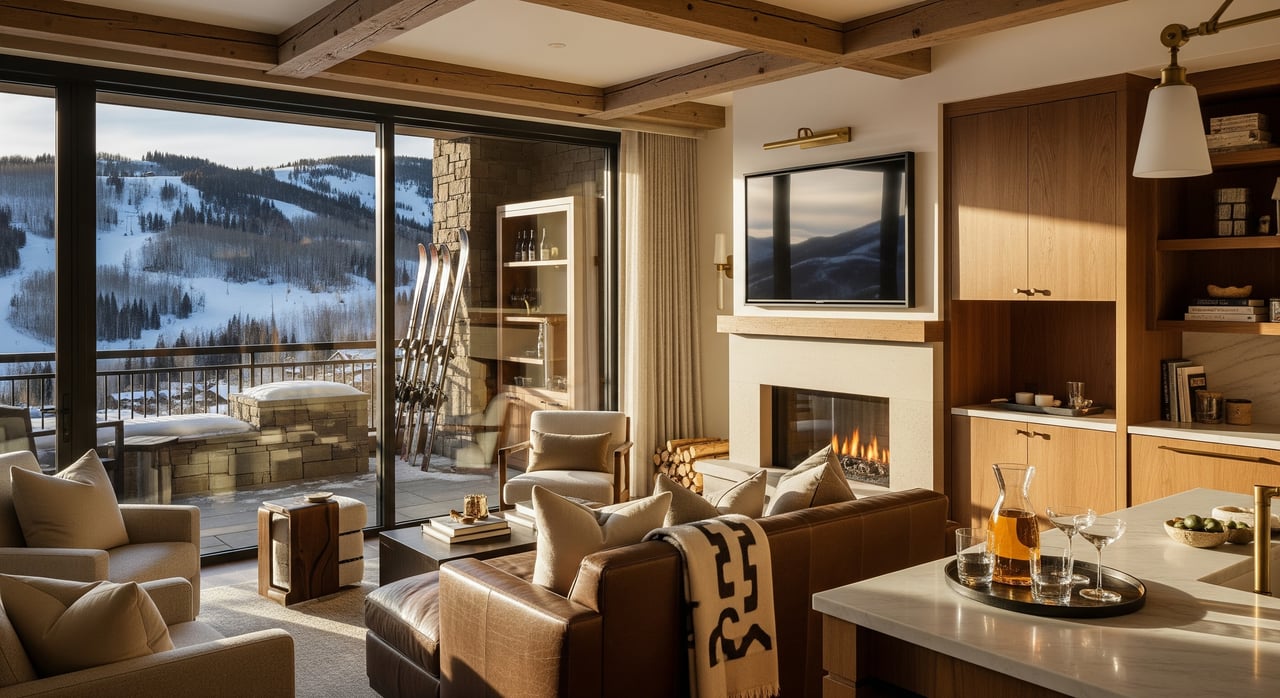
Snowmass Condo Hotel vs Condo: Find Your Best Match
December 4, 2025
December 4, 2025
Picture this: a bluebird morning in Snowmass, skis by the door, and a place that pays you back when you are away. The question many buyers face is how to own it. Do you choose a condo-hotel with full services or a private condo with more control? You want clarity on owner use, rental income, costs, and financing before you commit. This guide breaks it down and gives you a simple decision framework you can use right away. Let’s dive in.
A condo-hotel is an individually owned unit inside a property that operates like a hotel. Guests book through the hotel, and owners often join a rental pool or sign a management agreement. Private condos are standard condominiums where you control occupancy and rentals, subject to HOA documents and local rules.
Both options come with a deed, but condo-hotel ownership usually includes a binding agreement with the hotel operator and stricter house rules. Private condos are governed by the association’s CC&Rs and bylaws and typically allow more day-to-day control.
Many condo-hotels set owner-use windows and require participation in the rental program for part or all of the year. High-demand holiday weeks often have blackout dates, and owner nights may be limited or carry extra fees. Owner reservations can have advance priority but may still be curtailed during peak periods.
Action: request the property’s condo documents and the hotel or operator agreement to verify owner-use allotments, blackout dates, and fees for additional nights.
Private condos generally allow more flexibility for owner stays and rental choices, within HOA and local rules. You can self-manage, use a third-party manager, or keep the property for personal use only. Always confirm that zoning and the HOA allow your intended rental duration.
In a condo-hotel, the operator handles reservations, marketing, housekeeping, check-in, linens, and guest services. Revenue is typically split after fees according to the management contract. Services can include professional photography, dynamic pricing, and central reservations. Performance varies by building and season.
If you own a private condo, you keep gross rental income and choose how to manage. Full-service short-term rental managers often charge 20 to 40 percent depending on scope. You will also account for housekeeping, supplies, and channel fees. The result can be attractive net income, but it requires more oversight unless you hire a manager.
Snowmass Village and Pitkin County require short-term rental licensing, business permits, and lodging or sales tax collection. Rules evolve to manage visitor impacts, so you should verify current requirements with local offices. Operators often collect and remit taxes, but your agreement should confirm who is responsible.
Confirm that zoning and HOA rules allow your planned use, whether nightly rentals or seasonal stays. Some developments include workforce housing or deed restrictions that limit resale or owner occupancy. Ask your broker and attorney to confirm the title is free of restrictions that conflict with your goals.
Many condo-hotel projects are treated as non-warrantable by conventional lenders. That can mean higher down payments, different underwriting, or the need for portfolio or jumbo loans. Lenders may not count projected rental income without an operating history, and they can classify the unit as a second home, investment, or even commercial depending on the project.
Action: prequalify with lenders who understand condo-hotels in Pitkin County. Ask about the specific development you are considering.
Condo-hotel units may require commercial hospitality coverage or special endorsements. Private condos used as short-term rentals typically need a landlord or HO-6 policy with rental coverage. Clarify what the association insures and what you must cover, especially liability related to guests.
You will report rental income and related expenses. Many furnished rentals qualify for depreciation, and furniture may be depreciated faster than the building. Short-term rental income is often passive and subject to rules that can limit losses. 1031 exchanges may be possible for investment units, though mixed personal use adds complexity.
Action: consult a tax advisor who works with resort rentals to model cash flow, depreciation, and any passive activity limits.
Condo-hotels often include front desk and concierge, on-site dining, daily housekeeping, ski valet, spa or fitness, and in-resort sales channels. These services can support higher nightly rates and occupancy, but dues and program fees rise with service levels. Many private condos in Snowmass offer quality amenities such as pools, hot tubs, ski lockers, and fitness rooms, though daily staffing is less common.
Winter is the primary season, with peak weeks around holidays, MLK, and Presidents’ Week. Spring and late fall are quieter. Summer brings hiking, biking, and notable events in Snowmass and nearby Aspen, which can create strong secondary peaks. Condo-hotels often capture both leisure and corporate travel through central reservations. Private condos tend to rely on leisure channels and owner-driven marketing.
You visit a few weeks a year, and you prefer concierge, housekeeping, and on-site support for guests. A condo-hotel can align with your goals, even if the operator takes a larger share of gross revenue. The tradeoff is convenience and brand-driven demand.
You plan to spend long stretches in Snowmass with family and want to set your own rental calendar. A private condo allows more control over design choices, vendors, and rental strategy. You may keep more of the gross income, though you will manage more details or hire a manager.
If you are deciding between Snowmass condo-hotels and private condos, start with your primary goal and tolerance for fees versus control. Then validate the numbers with real building data, including seasonality, net distributions, and all-in costs. A clear side-by-side view will make the path forward obvious.
If you would like a discreet, concierge-level review of options, performance data, and financing paths, connect with Tara Slidell. You will get local insight, curated property fits, and coordinated due diligence from a hospitality-rooted advisor.
Stay up to date on the latest real estate trends.
When Tara is not taking care of her clients and putting together deals, she is enjoying Aspen’s great outdoors with her husband and their two daughters, and their dog, Mack.